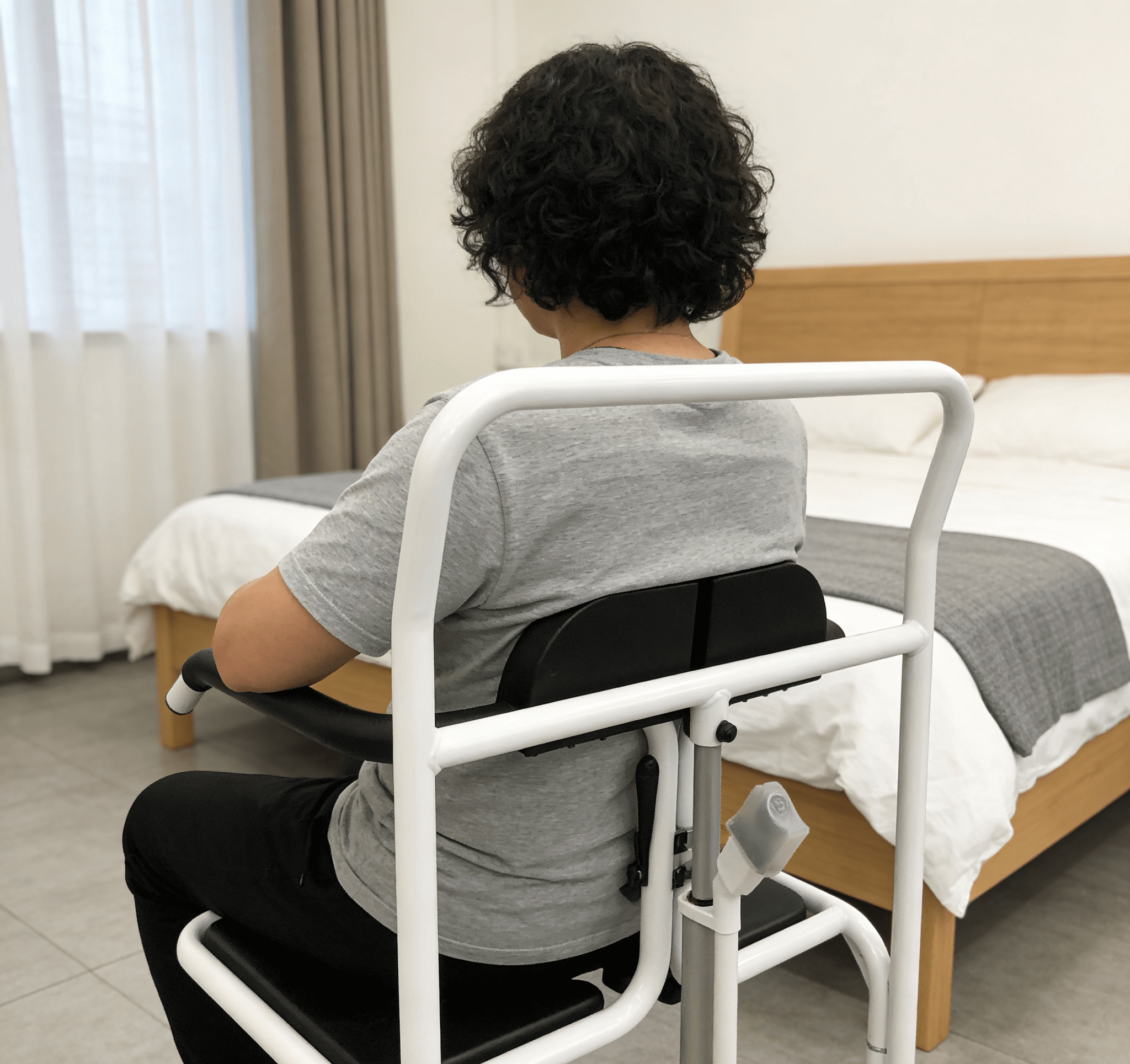
Category: power lift chairs
Posted by 2025-12-10 11:12
recliner lift chairs covered medicare australia
Guide to Lift Recliners in Australia: A Complete Breakdown of Medicare, NDIS, and Other Financial Support
In Australia, a high-quality lift recliner (also known as a rise chair or electric recliner) can greatly help people with limited mobility, the elderly, or those with chronic illnesses improve their independence and quality of life. One of the most common questions is: “Will Medicare cover the cost of a lift recliner?”
This article will clearly explain how Australia’s health insurance system supports lift recliners and detail other potential sources of funding.
Core Question: Will Medicare Cover the Cost of a Lift Recliner?
The direct answer is: Typically not, but specific exceptions exist.
Australia’s national health insurance scheme (Medicare) is primarily designed to subsidize medical services and some prescription medications. Durable equipment like lift recliners generally falls outside the scope of direct Medicare reimbursement. However, you may be eligible for partial financial support through the following avenues:
Avenue 1: Subsidies via Chronic Disease Management Plans
This is the most viable way to access partial financial assistance through the Medicare system.
How It Works:
If your General Practitioner (GP) determines you have a chronic health condition that requires coordinated management (e.g., severe osteoarthritis, Parkinson’s disease, heart failure), they can develop a Chronic Disease Management (CDM) Plan for you.
Under this plan, you may be eligible for a subsidy of up to AUD $58.00 per year (as of July 2024) to cover the cost of certain products or services related to your health management.
Important Note:
This amount is far from sufficient to cover the cost of a new lift recliner (which typically ranges from AUD $1,500 to $5,000+). However, it can be used to pay for an occupational therapist (OT) assessment— a critical step in applying for other forms of funding (such as the NDIS).
Avenue 2: National Disability Insurance Scheme (NDIS)
For eligible individuals, the NDIS is the primary channel for obtaining funding for a lift recliner.
Who Is Eligible:
Australian citizens or permanent residents under 65 years of age (under 55 for Aboriginal and Torres Strait Islander peoples).
Those with a permanent disability that significantly impacts their ability to perform daily activities.
How It Works:
If a lift recliner is deemed a “reasonable and necessary” support related to your disability— helping you achieve goals like moving safely at home or maintaining independence— the NDIS may provide funding for it.
Mandatory Step: You will usually need an assessment by an occupational therapist (OT). The OT will issue a report detailing why a lift recliner is essential for you and recommending specific models and features to meet your needs.
Funding may cover all or part of the chair’s cost, as well as the OT assessment fee.
Avenue 3: Commonwealth Home Support Programme (CHSP)
This programme is for seniors aged 65 and over (50 and over for Aboriginal and Torres Strait Islander peoples) who wish to age in place at home.
How It Works:
The CHSP provides basic support services to seniors through approved service providers.
While the CHSP typically does not directly cover the full cost of a new lift recliner, it may offer:
Subsidised hire services for lift recliners;
Advice and support related to minor home modifications;
Connections to community organisations that can provide assistance.
You need to contact My Aged Care for an assessment to determine if you are eligible for CHSP support or other higher-level home care packages.
Avenue 4: Department of Veterans’ Affairs (DVA)
If you are an eligible veteran or the surviving spouse/partner of a veteran, the DVA may provide a lift recliner.
The DVA has its own health and medical equipment reimbursement schemes. You will need to contact the DVA and consult your GP to confirm eligibility and the required application process.
Avenue 5: Private Health Insurance
Some high-tier extras cover policies may include subsidies for “assistive devices” or “home care equipment”.
Limited Coverage Amount: Subsidies typically range from AUD $200 to $600— far below the total cost of a lift recliner— and are subject to annual caps.
Always Confirm by Phone: Before purchasing, be sure to call your health insurance provider to ask if your policy covers such equipment, as well as the coverage amount and conditions.
Steps to Buying a Lift Recliner in Australia
Consult Your GP: This is the first step. Discuss your mobility issues and ask if a Chronic Disease Management Plan is suitable for you, or if you should apply for a My Aged Care or NDIS assessment.
Get an Assessment: If applying for the NDIS or needing professional advice, an occupational therapist (OT) assessment is critical. Your GP can recommend an OT.
Research Suppliers: In Australia, search for “lift chair Australia”, “mobility aids Australia”, or “independent living specialists” to find professional suppliers such as Independent Living Specialists and Mobility HQ.
Obtain Quotes: Request written quotes with detailed specifications from multiple suppliers— this is essential for applying for funding.
Contact Relevant Organisations: Depending on your age and circumstances, reach out to My Aged Care or the NDIS to start the application process.
Summary
In Australia, while Medicare does not directly cover the cost of a new lift recliner, it can serve as a gateway to other funding avenues (especially by subsidising OT assessments through Chronic Disease Management Plans).
The primary funding channel depends on your personal circumstances:
Under 65 with a permanent disability? → Focus on the NDIS.
Aged 65+ and want to age at home? → Contact My Aged Care.
A veteran? → Contact the DVA.
Everyone should: Check the extras cover terms of your private health insurance.
With the right approach and professional assessment, you have a strong chance of securing the necessary financial support to make a lift recliner part of a safe, independent life for yourself or your loved one.